About Ebykr
Ebykr celebrates classic and vintage lightweight bicycles through provocative imagery and opinion. Ride along with us.
About Ebykr
Ebykr celebrates classic and vintage lightweight bicycles through provocative imagery and opinion. Ride along with us.

Histories, timelines, tech specs, dating guides and an archive of period catalogs, preserving the great marques and the people behind them.
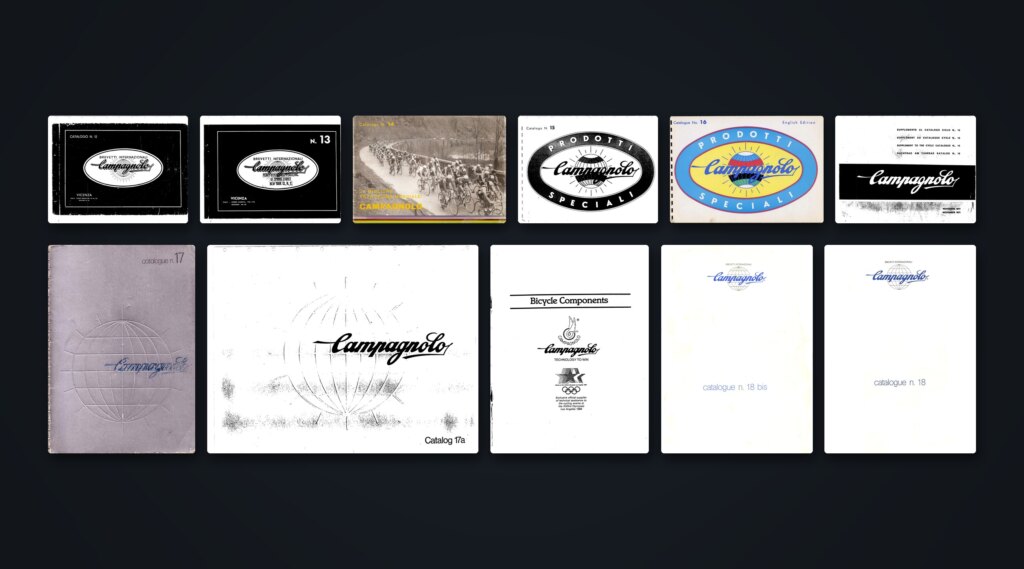 Tullio Campagnolo: The Legend, the Patents and the Record Campagnolo says its founder invented the quick release after a snowbound race in 1927 and patented it in 1930. The record tells a richer story: a first patent…
 Browse all 22 Campagnolo documents in the Catalog Archive See the full chart in the story
Also charted on Identify and Date: Brooks saddles Campagnolo Nuovo Record Maillard and Normandy hubs Stronglight cranks Cinelli frames Fuji frames Hobbs of Barbican frames
Follow a marque and its newest work collects here. Nothing is followed yet, so these are the four Ebykr covers most deeply.



 Build sheet
 Build sheet
 Build sheet
 Build sheet
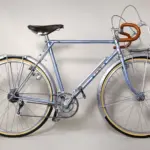 Build sheet
 Build sheet
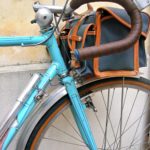 Build sheet
 Bianchi 1987 Catalog — Road & Sport Bicycles
 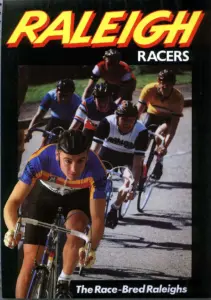 Raleigh 1984 Catalog — Racers: The Race-Bred Raleighs
 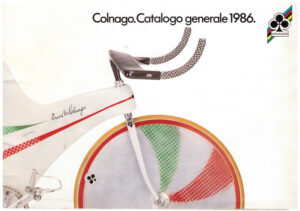 Colnago 1986 Catalog — Catalogo Generale: Super, International, Victory, Mexico, Regal, Master and Krono, with City Bicycles, Mountain Bikes and Framesets
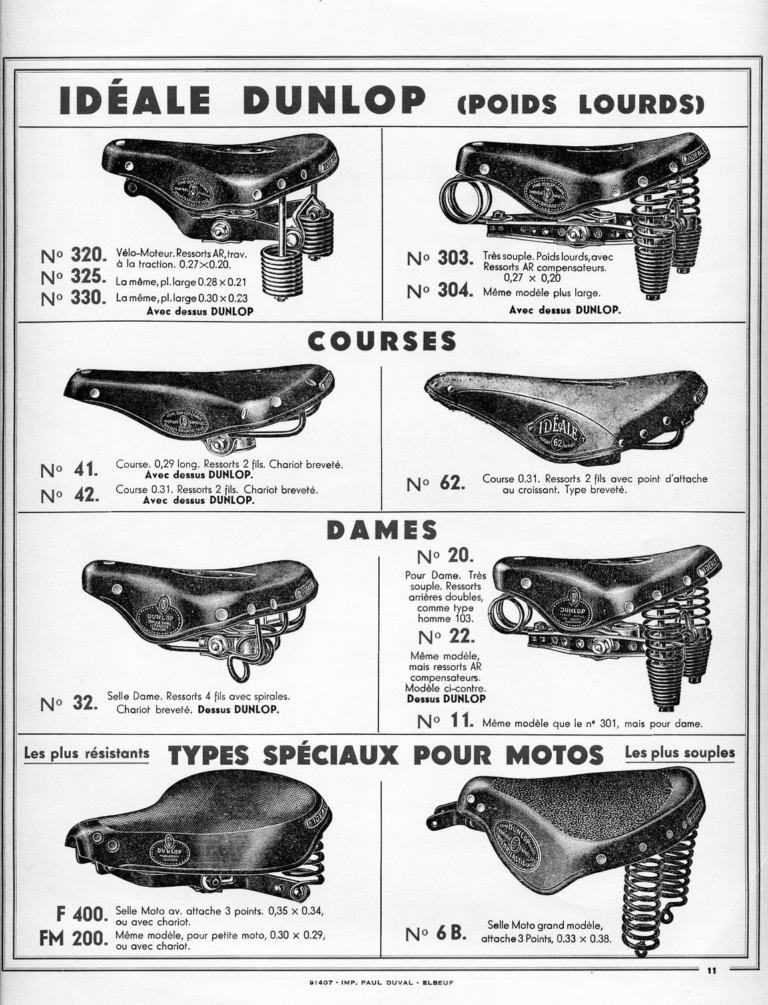
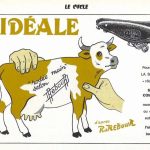
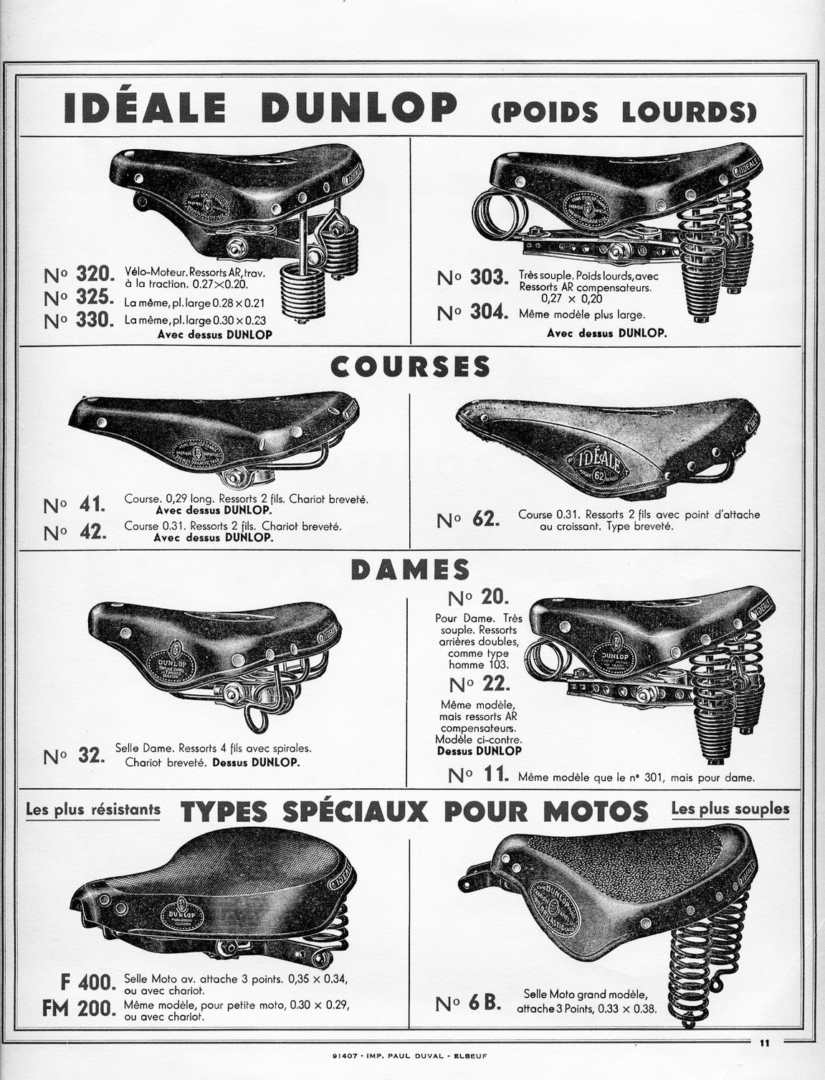
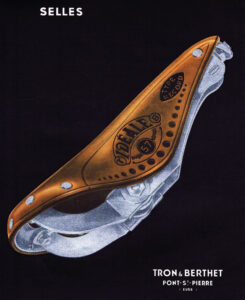
 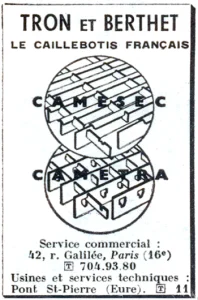 Idéale 1970s Advertisement — Tron et Berthet, le Caillebotis Français
 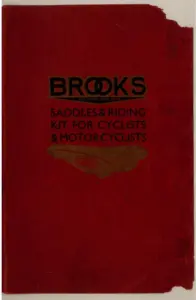 Brooks 1933 Catalog — Saddles and Riding Kit for Cyclists and Motor Cyclists (List No. 168)
  Random Rebour
 Roughly 2,085 cataloged images, browsable by marque, type and country.
The Ebykr Digest
New articles, timelines, catalog finds and registry activity — assembled from the archive once a month. Your address is never shared.
Double opt-in. One email per month. Unsubscribe at any time with one click.