About Ebykr
Ebykr celebrates classic and vintage lightweight bicycles through provoking imagery and opinion. Ride along with us.
About Ebykr
Ebykr celebrates classic and vintage lightweight bicycles through provoking imagery and opinion. Ride along with us.

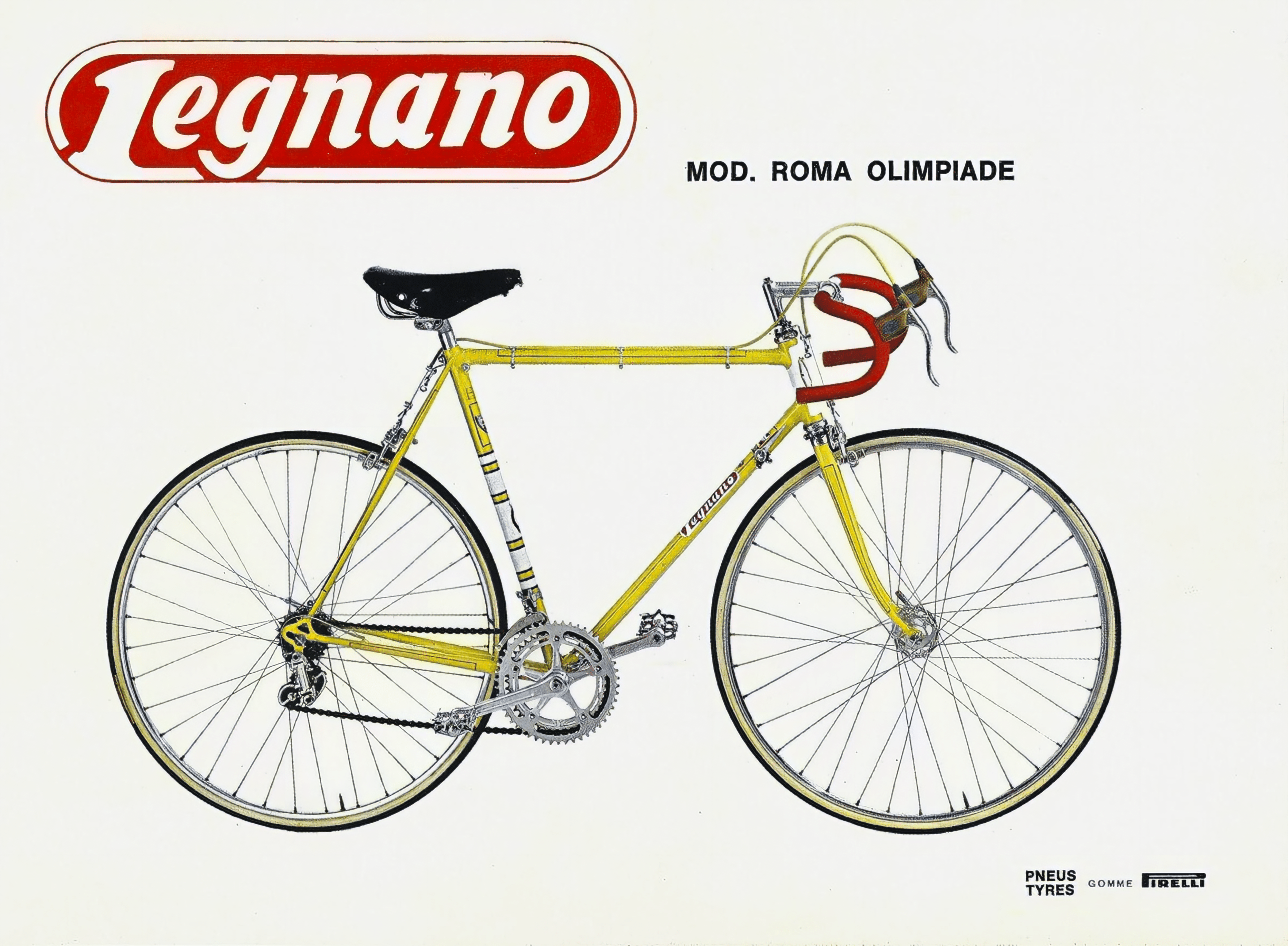
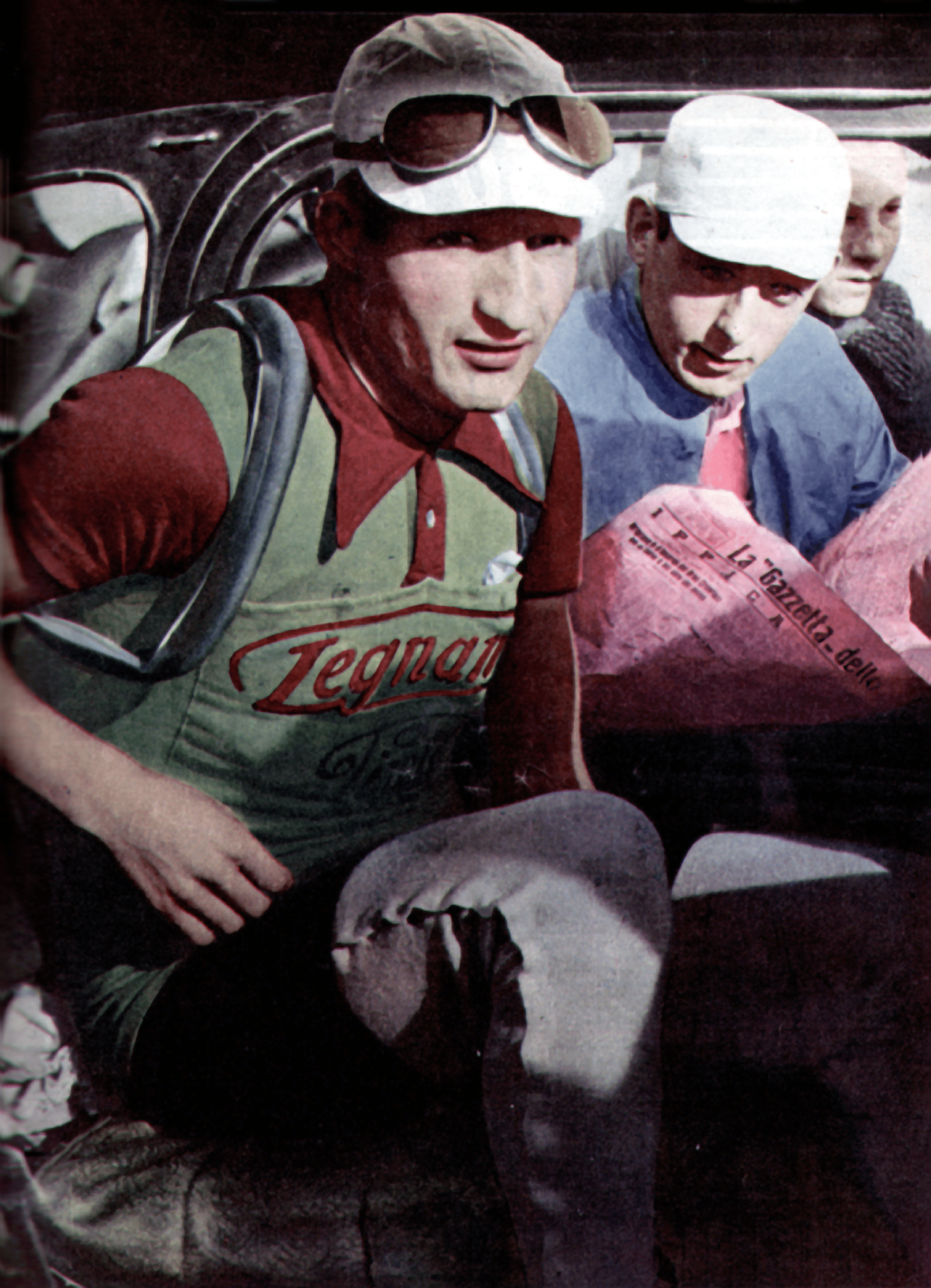
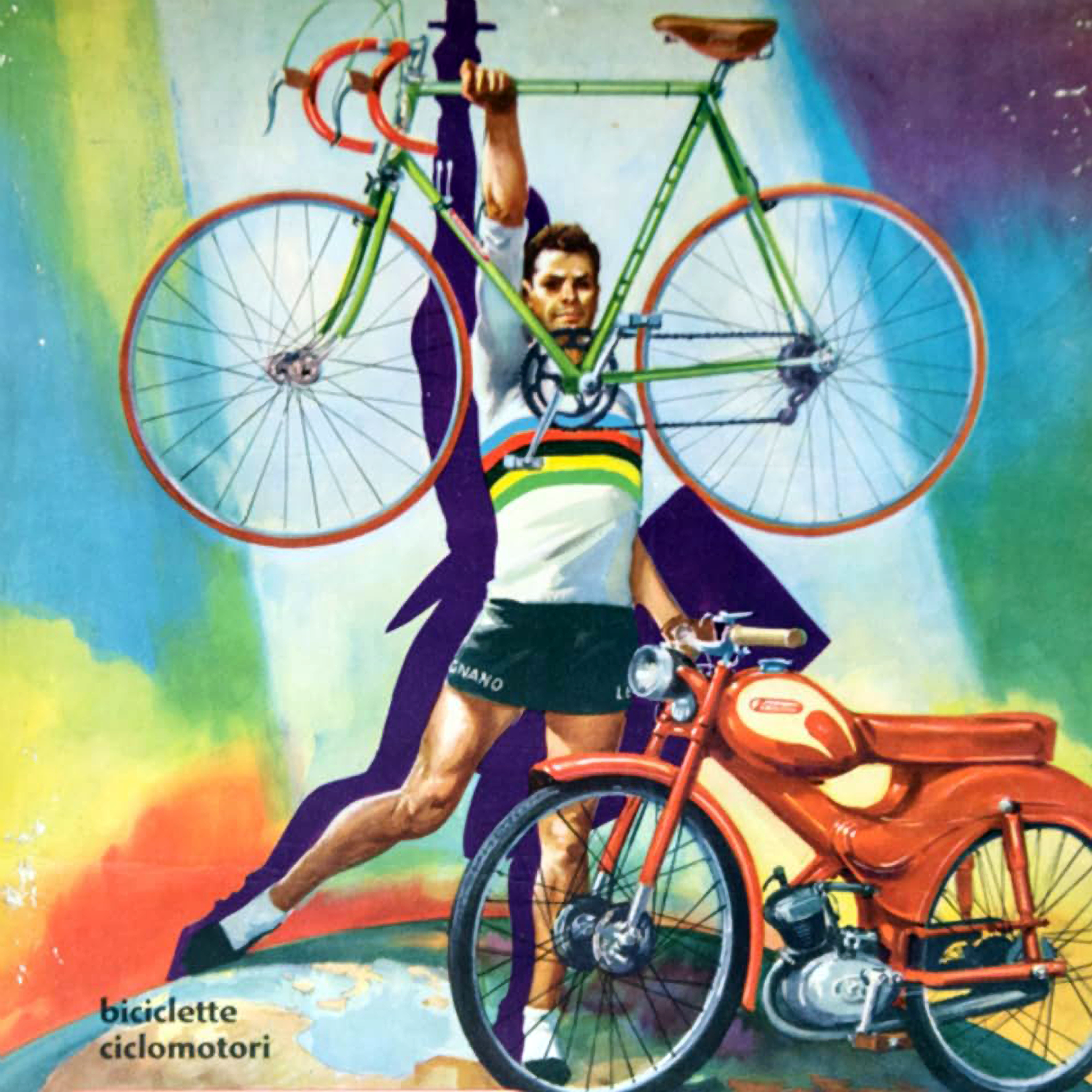
Legnano secured its rightful place in the great tradition of Italian cycling many epochs ago. This is largely because Legnano was and remains among the winningest brands in all of cycling racing history, with professional road greats like Alfredo Binda, Gino Bartali and Fausto Coppi each riding Legnano bicycles. It is also despite (or paradoxically because of) its flamboyantly colorful past, which features everything from fascist political regimes lording over the sport to outright murder at the hands of aggrieved souls.
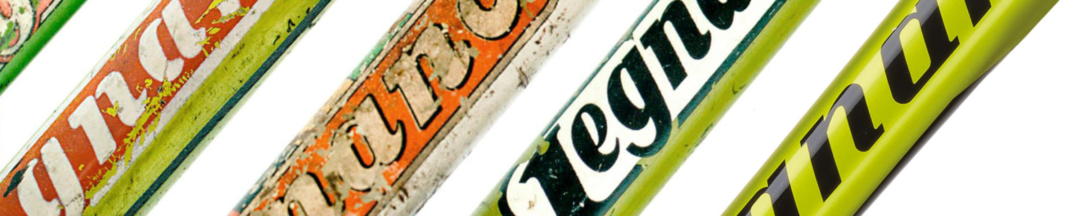
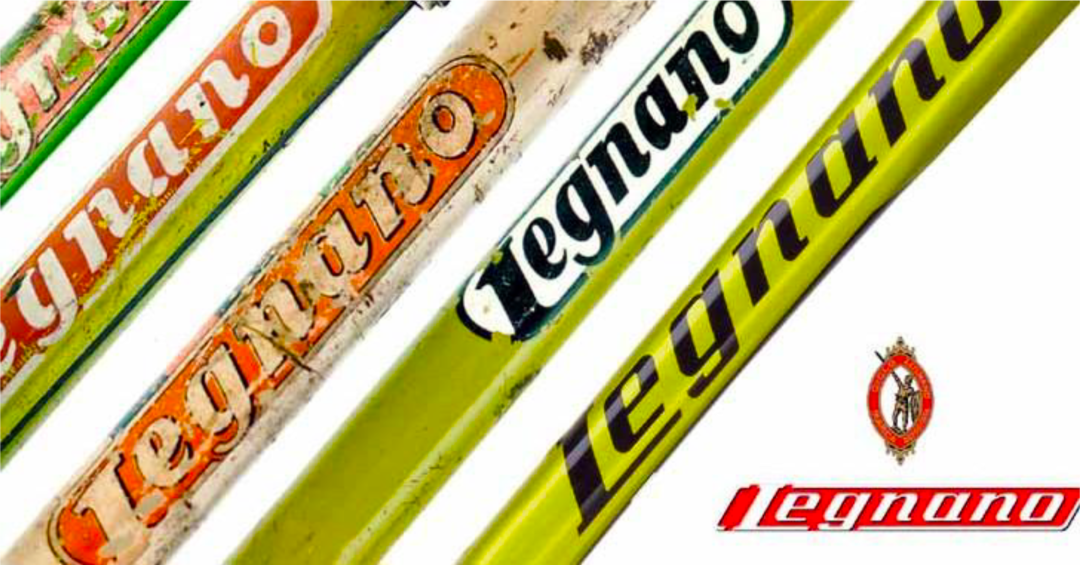
And then there’s that yellowish-green color that has come to personify the Legnano brand for many of us vintage bicycle enthusiasts. While not as appealing or recognizable as Bianchi’s bluish-green celeste color, Legnano’s “verde transparente” color still manages to capture that brand’s identity and distinguish it across time. It also just seems to fit once you get to know Legnano’s vivid history and the outsized personalities who made it so.
First, though, some cold, hard facts about Legnano racing victories: 10 Milano-San Remo, 14 Giri di Lombardia, 15 Campionati d’Italia, 16 Giri d’Italia, 2 Tours de France and 7 Campionati Mondiali. In addition to these formidable achievements, Legnano riders secured 2 World Hour Records – on December 7, 1942 by Fausto Coppi (45.848 km avg.) and then on September 9, 1956 by Ercole Baldini (46.394 km avg.) while riding a purpose-built bicycle with a claimed weight of 6.7 kg or 14.8 lbs,
Closing things out here, Legnano team riders also secured numerous other victories over the years, including the Giro del Piemonte, Giro di Toscana and various regional and local events across Italy and beyond. Most of these victories took place in Legnano’s racing heyday from about 1920-1960.
Early ownership of the company was marred by scandal and even murder before much any of that winning took place. Having been founded as Vittorio Rossi & C. in 1902 and then starting to mass produce bicycles under the “Lignon” name in 1906, this early corporate predecessor to the Legnano brand as we know it was relatively short lived. (There is a reference to a Lignon winning a road competition – the Val di Taro Cup – in 1902.)
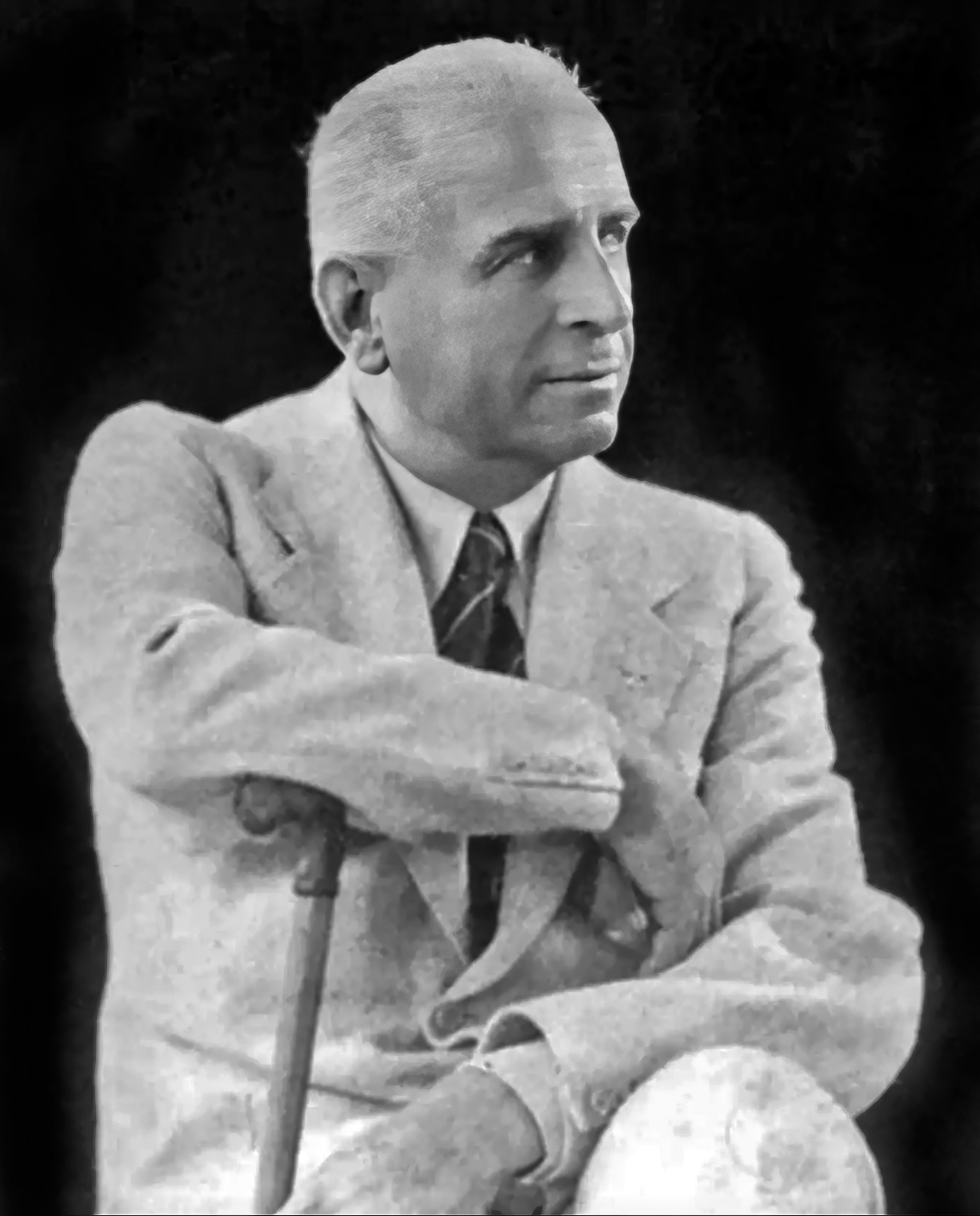
By 1908, a particularly shrewd Italian businessman named Emilio Bozzi had established the Emilio Bozzi S.p.A. bicycle manufacturer at Corso Genova 9 in the center of Milan. Shortly afterward he acquired Vittorio Rossi & C. and its assets, wrapping production of previous Lignon models into his new house lines. The first original model that Bozzi’s namesake company manufactured was named the “Aurora,” which may have grown into its own distinct brand and line of bicycles over time by some accounts.
Bozzi also secured rights to the Frejus brand from Turin, some 112 km or 70 miles to the southwest, which had been established years earlier in 1896 by Emmo Gelfi. Bozzi was also in a joint venture with Franco Tosi and the manufacturing company he came to own by the late 1800s, which held a number of patents from the English Wolseley brand upon Tosi’s untimely death in 1898. Bozzi’s company used these patents to make the Ciclomotore Wolsit (or “moped Wolseley-Italia”) from 1910-1914, the rights to which were eventually sold to NSU Motorenwerke AG in 1932.
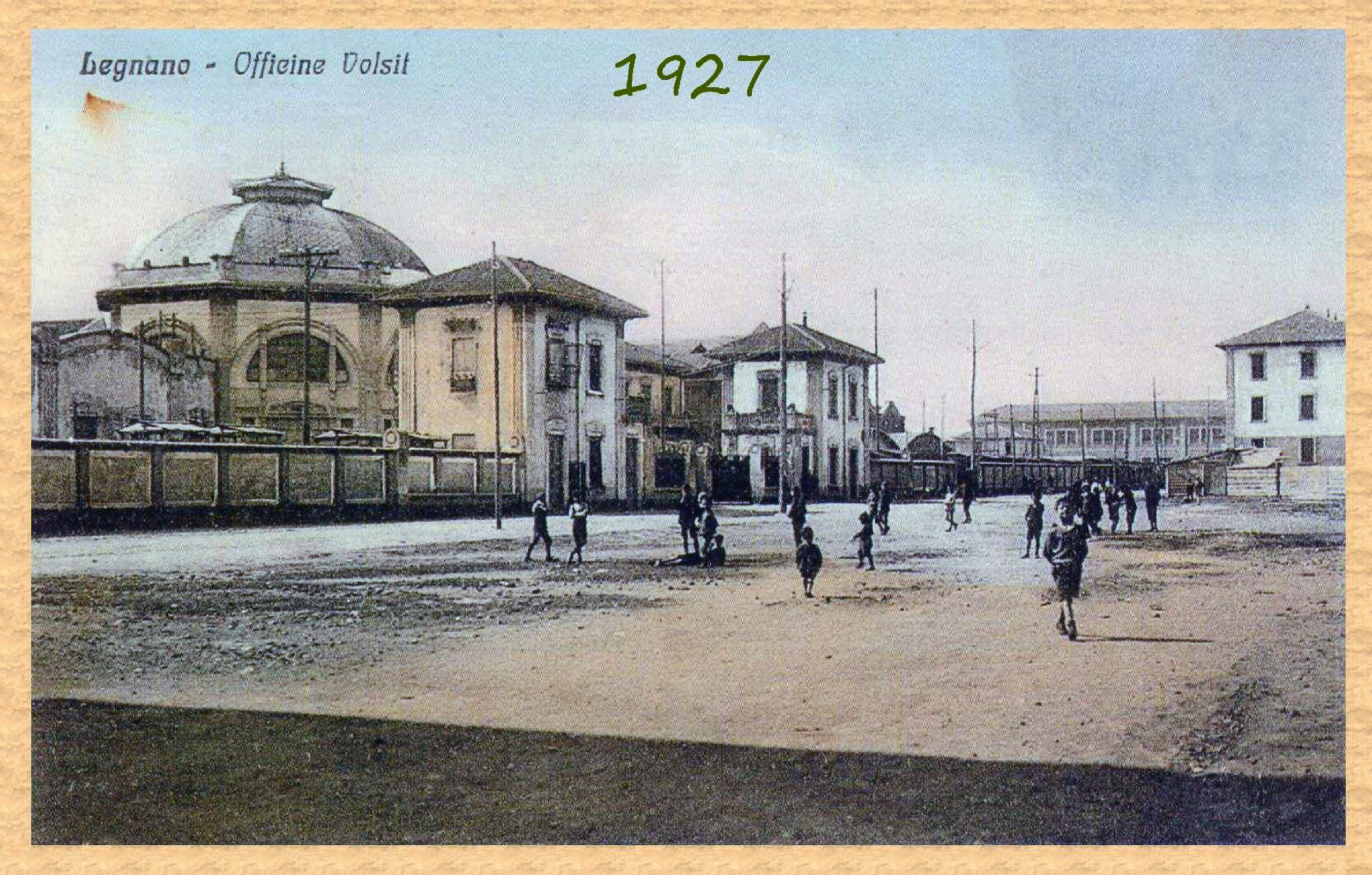
For his small but impressionable part in Legnano cycling history and lore, Franco Tosi was an Italian industrialist who was assassinated by an ex-employee in a classist rebuke on November 25, 1898. Tosi owned and managed a large machine manufacturing plant in Legnano that employed 650 workers in 1894 and specialized in reciprocating steam engines, especially those powering mechanical looms.
Tosi was diversifying into bicycles and motorbikes prior to his assassination, and had purchased patents from Wolseley to advance his company’s efforts in these markets. These patents were integral to the establishment and advancement of the Wolsit brand, which sponsored an Italian professional cycling team between 1910 and 1938, and experienced considerable commercial success in those years.
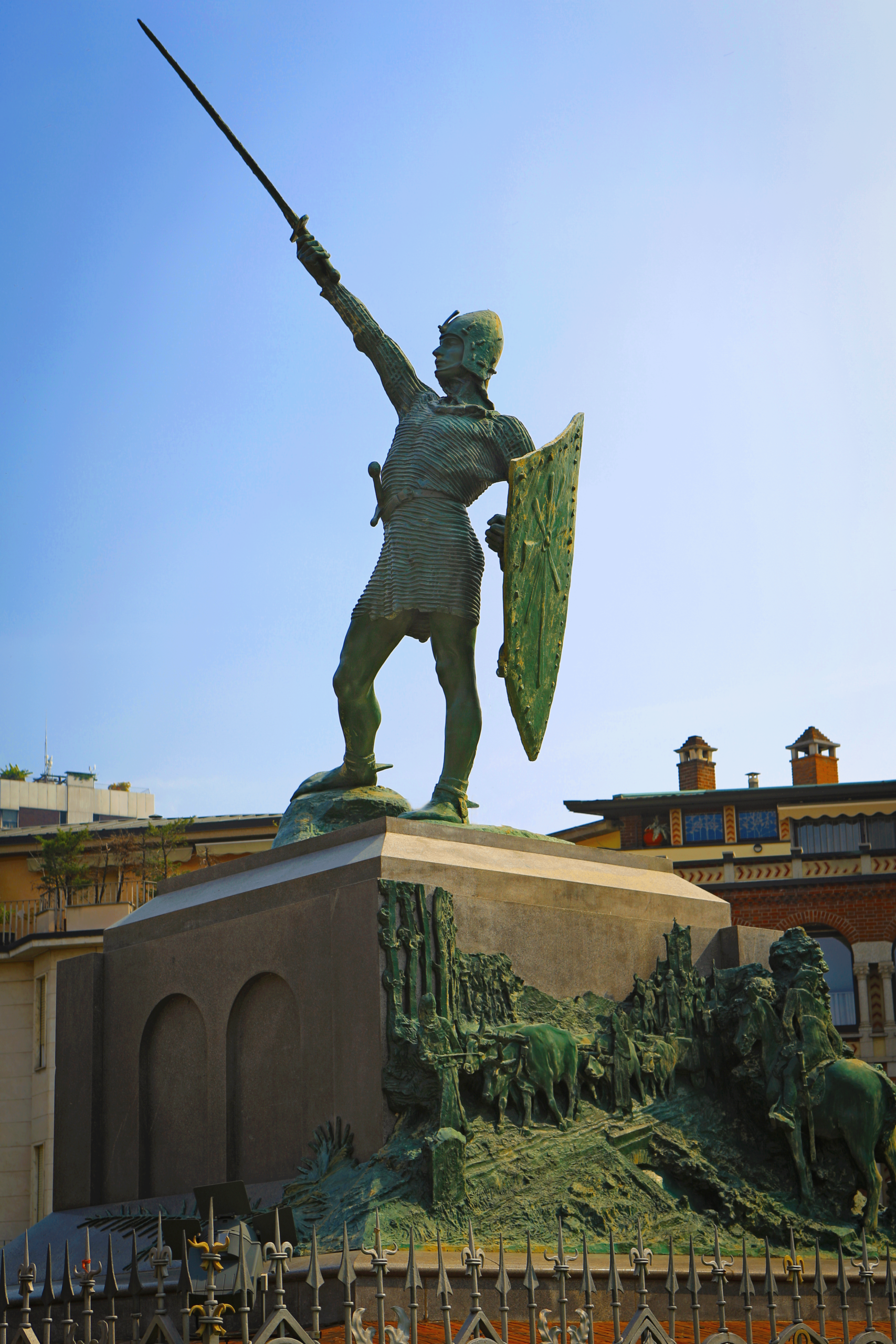
In 1920 the Emilio Bozzi company selected the Legnano name for its leading bicycle brand in honor of his hometown and adopted the figure of Alberto da Giussano as its emblematic representation. Giussano was depicted as a sword-lifting warrior from the Battle of Legnano which took place in 1176. He would come to symbolize the struggle of the common people against imperial forces and false prophets, both of which were prevalent back then much like they are today.
By 1924 fascism and fascist leaders had a stronghold on the Italian government which took a particular interest in professional cycling and issued an order stipulating all Italian cyclists must race on Italian bicycles. (May any modern-day politicians NOT be reading this.)
Ever the clever businessman, Bozzi somehow found a silver lining here by offering a lifetime contract to a young local painter, plasterer, trumpeter and amateur bike racer named Alfredo Binda who was otherwise ready to move to France with his family. As best put by our friends at Cycling-Passion.com:
A 16-year-old poor and hungry boy, Alfredo Binda, left his village, Cittiglio, in the company of Pino, one of his 13 siblings, to seek his fortune. They’d headed to their cousins’ place across the France border in Nice. They were playing trumpets. Alfredo started to work as a plasterer, and supported by his aunt, enrolled at both the local technical college and the local bike club. Soon he started to winning local races, and there was money to be made by winning. He soon abandoned plastering.
In 1924 someone told young Binda that at the Giro di Lombardia the first man to the top of the Ghisallo climb got 500 lire. He wrote to Eberardo Pavesi, the Directeur Sportif of Legnano, that he would be visiting family that weekend and wouldn’t mind a crack at the race.
On hearing that Binda had an application pending for French citizenship, the Italian Cycling Federation dithered long and hard, before finally agreeing to let him race. Though he finished only fourth behind teammate Giovanni Brunero and runner-up Costante Girardengo, his defeat was to some extent mitigated by the fact that he’d ridden from Nice to Milan only the day before.
Nice is about 248 km or 154 miles away from Milan depending on the route. Not exactly a casual warm-up ride, at least by most of our standards. Needless to say, Directeur Pavesi was suitably impressed and immediately offered Binda a team contract. He refused initially – Binda would need a good deal more money than Pavesi was offering to renounce his claim on French citizenship and return home to Italy.
Bozzi and his deep pockets would ultimately relent, and the “campionissimo” was signed as a Legnano team rider within what must have been a nail-bighting couple of weeks for the youngster. A star was born. A proper and true Italian star, backed by a proper and true Italian team, brand and owner.
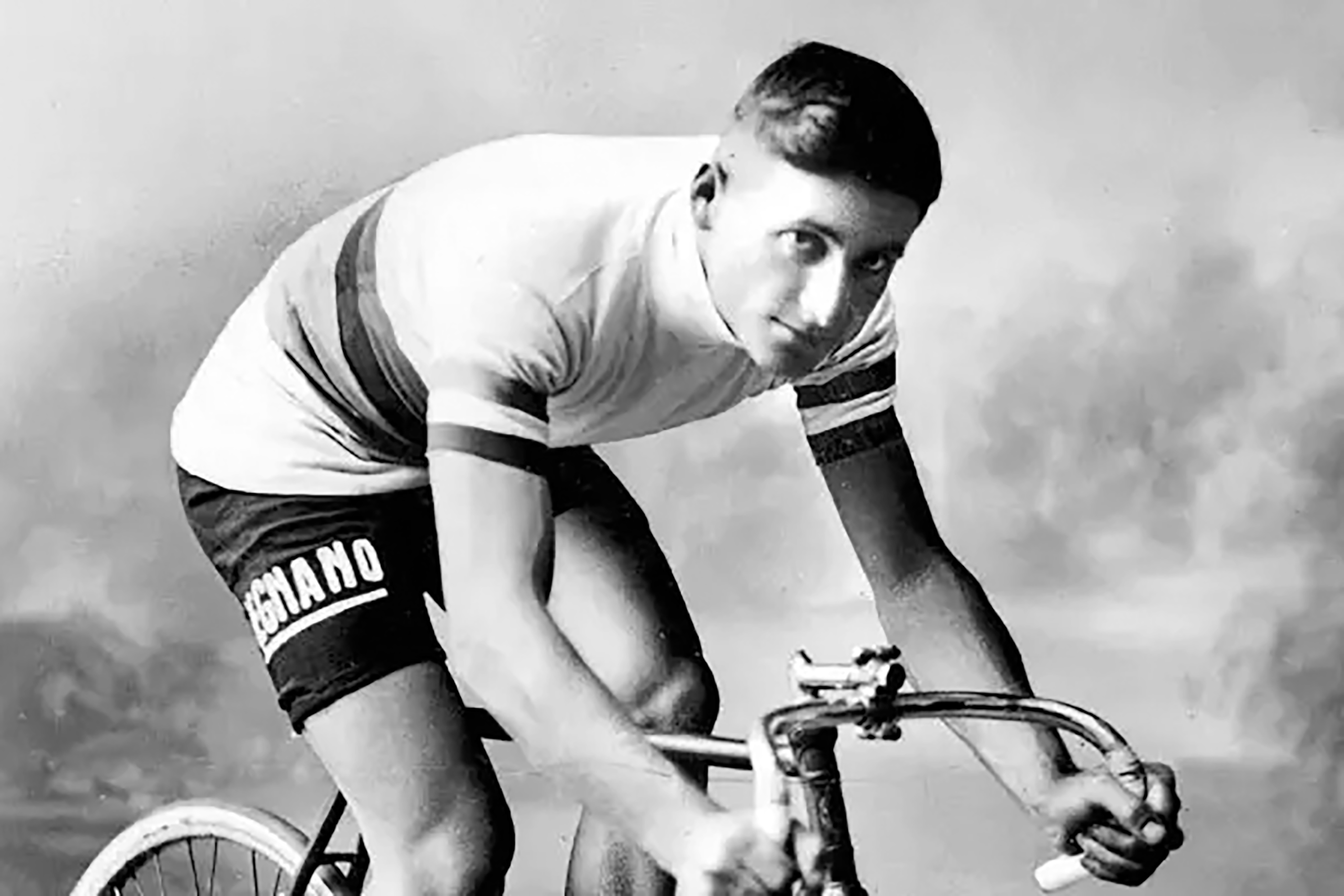
The move paid immediate and lasting dividends to all stakeholders. Binda would win the next year’s Giro d’Italia for Legnano in 1925, and four others in 1927, 1928, 1929 and then 1933, which also saw him win the event’s inaugural “King of the Mountains” competition. This legacy of five Giro d’Italia wins remains unbested to this day and has only been equaled by Fausto Coppi and then Eddy Merckx after him.
Binda was an excellent time trialist, superlative climber and held world records for 10 km, 20 km and 50 km track events. While he never held the World Hour Record or won the Tour de France, Binda succeeded in making the Legnano brand famous throughout the cycling world for most of the 20th century, where it remains today as one of the most celebrated names in Italian racing history.
Legnano built its reputation on a foundation of two key elements: Italian craftsmanship and features designed for peak performance. Legnano frames were crafted from high-quality Italian steel tubing, renowned for its strength, responsiveness and ability to render a comfortable ride.
Columbus tubing, another highly regarded Italian brand, was a frequent choice for top Legnano models. These were built by skilled artisans who used meticulous brazing techniques to join the frame tubes. The smooth, clean welds they made were not just aesthetically pleasing but also ensured an especially strong and reliable connection due to the relatively low temperatures used.
Legnano frames were known for being lightweight without sacrificing strength. This was achieved through meticulous frame design, selection of thin-walled tubing and innovative techniques like double-butting (where the tubing is thicker at the ends and thinner in the middle). Legnano frames also boasted a geometry specifically designed for racing. This included a sloping top tube, which lowered the center of gravity and improved handling.
Additionally, aggressive seat tube angles and shorter chainstays contributed to efficient power transfer and increased maneuverability in tight spaces like bunch sprints. Even in the early days of bicycle racing, Legnano also incorporated features that aided aerodynamics. Streamlined forks, seatposts and integrated cable routing were all seen on some Legnano models.
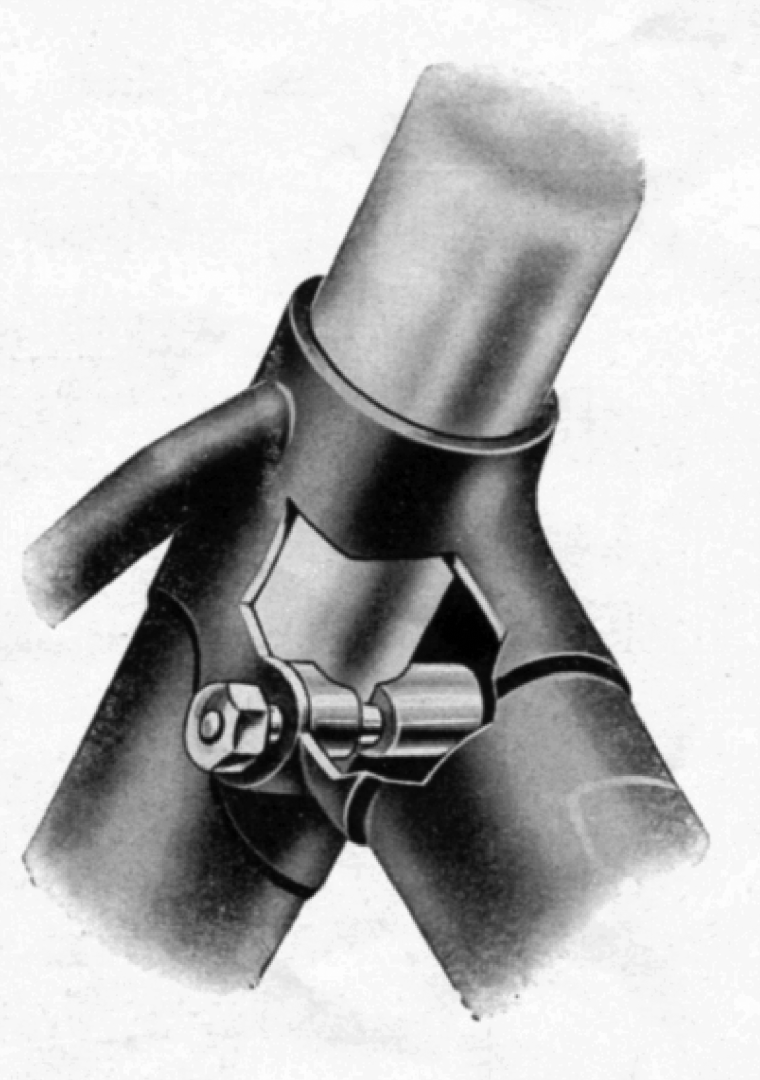
Perhaps the single-most identifying feature of classic Legano frames is their use of an internal binding bolt to secure the seat post. The bolt is immediately below the top tube and forward of the seat tube, thus giving it a hidden, less prominent location than ordinary binding bolts while keeping it accessible, too. Overall a clever little piece of engineering.
While it remains unknown why this design choice was made, it was unique (though not exclusive), may offer a slight aerodynamic advantage and does eliminate the possibility of shearing off your rear binding bolt mount in a catastrophic frame incident – were the rider to survive and ever trust anything with two wheels again. Or maybe it was believed to simply provide a stronger lock on the seat post, or allow for riders to adjust the post’s height while still mounted. Whatever the case, the practice prevails today on modern race bikes made by contemporary brands like Canyon, Giant, Scott and Specialized.
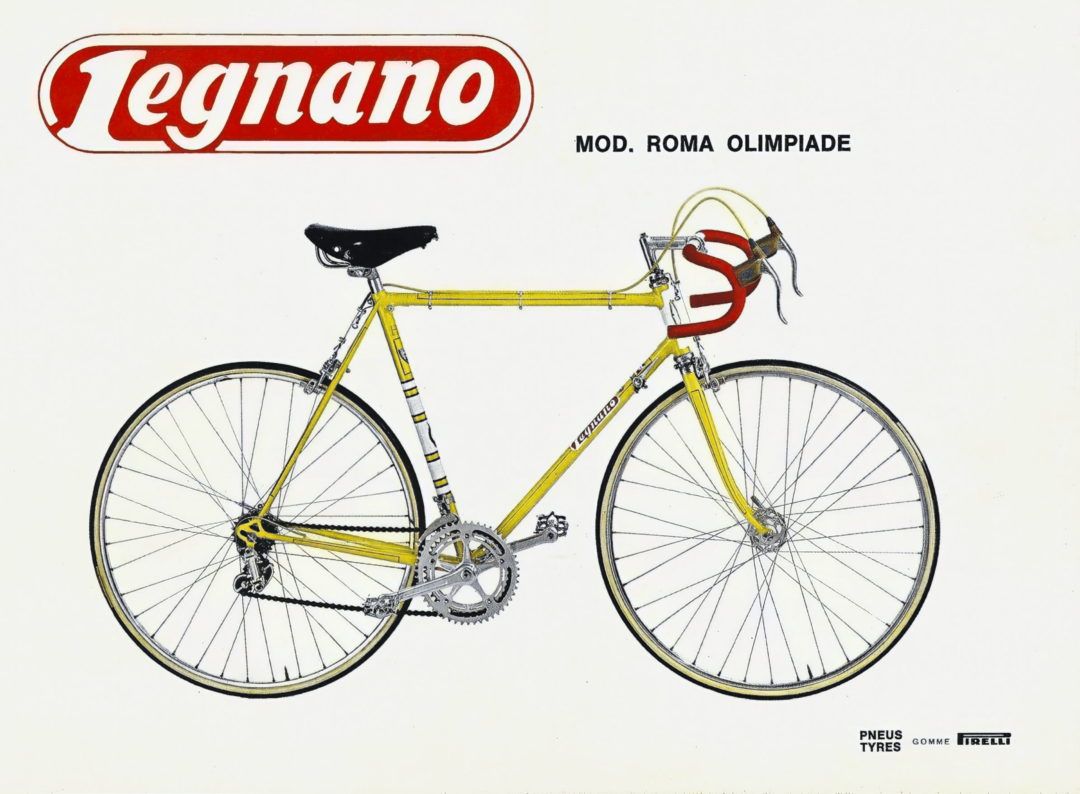
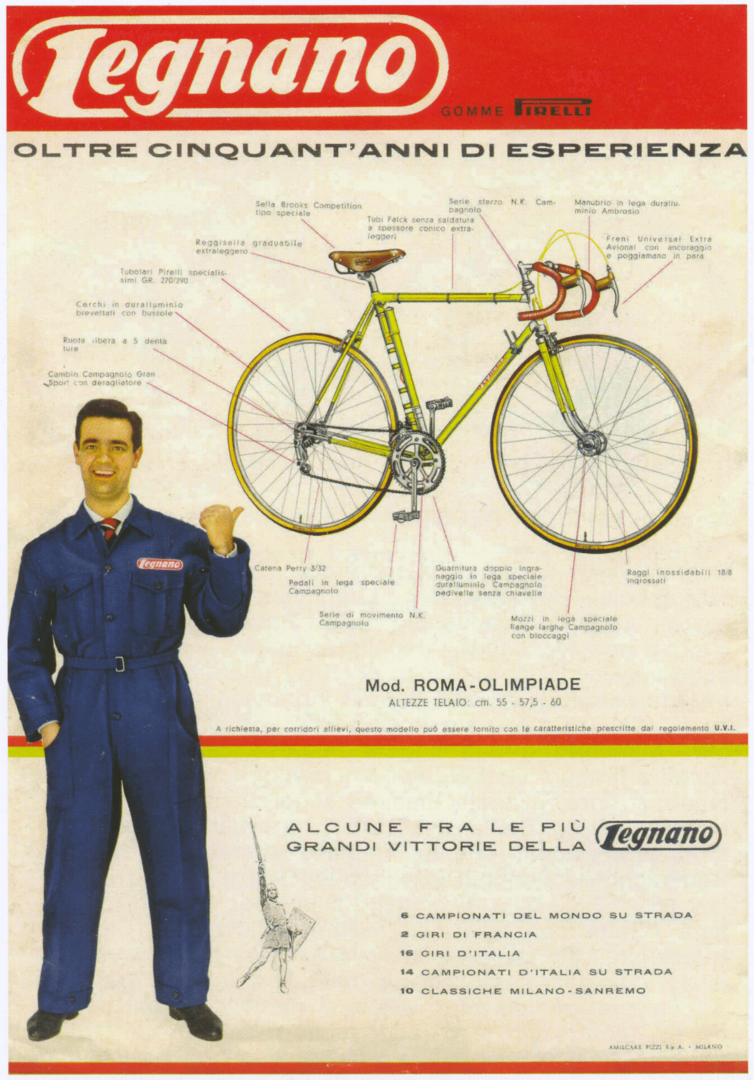
Legnano framesets were often adorned with beautiful hand-painted finishes. This was for more than just aesthetics, too – it added an extra layer of protection against corrosion and rust. Bozzi and his team of outfitters equipped their best Legnano bikes with high-quality components from revered Italian brands like Campagnolo and Cinelli.
These components offered smooth shifting, precise braking and overall lightweight performance. They also helped create product segments that Bozzi and his team of marketers could sell into at various price points. This practice can be seen in both Emilio Bozzi S.p.A. and Legnano catalogs since they were first published, and has been widely utilized across the cycling industry and others for generations.
Emilio Bozzi was born in Milan, Italy on April 29, 1873 and died there of a heart attack on September 21, 1936. (His natural cause of death is entirely unrelated to left wing, paramilitary terrorist organizations that dominated the domestic Italian psyche and international headlines decades later in the 1970s, contrary to some accounts otherwise.)
Franco Tosi – believed to be the son or grandson of the aforementioned industrialist with the same name – left Wolsit in 1927 and Emilio Bozzi became sole owner of the company before his passing away. He relegated Wolsit to became one of Legnano’s sister brands, which already included Aurora and would go on to include Frejus when it was acquired by Bozzi’s company in 1948.
Emilio Bozzi S.p.A. remained one of the largest bicycle and component distributors in Europe after its namesake founder’s death, with the company’s fortunes starting to plateau around 1950 when it published a massive 325 page parts catalog that included nearly every bicycle component manufactured in Italy.
A partial list of component manufactures included: Ambrosio, Aprilia, Binda, Campagnolo, Cidneo, Cinelli, F.B., Falck, Fiamme, Gnutti, Magistroni, Marelli, Martano, Nisi, Pirelli, Rosa, Simplex (Italy), Universal, Way-Assauto and many others. This comprehensive resource was a suitable complement to that year’s Legnano catalog, itself a treasured resource among cycling aficionados then as now,
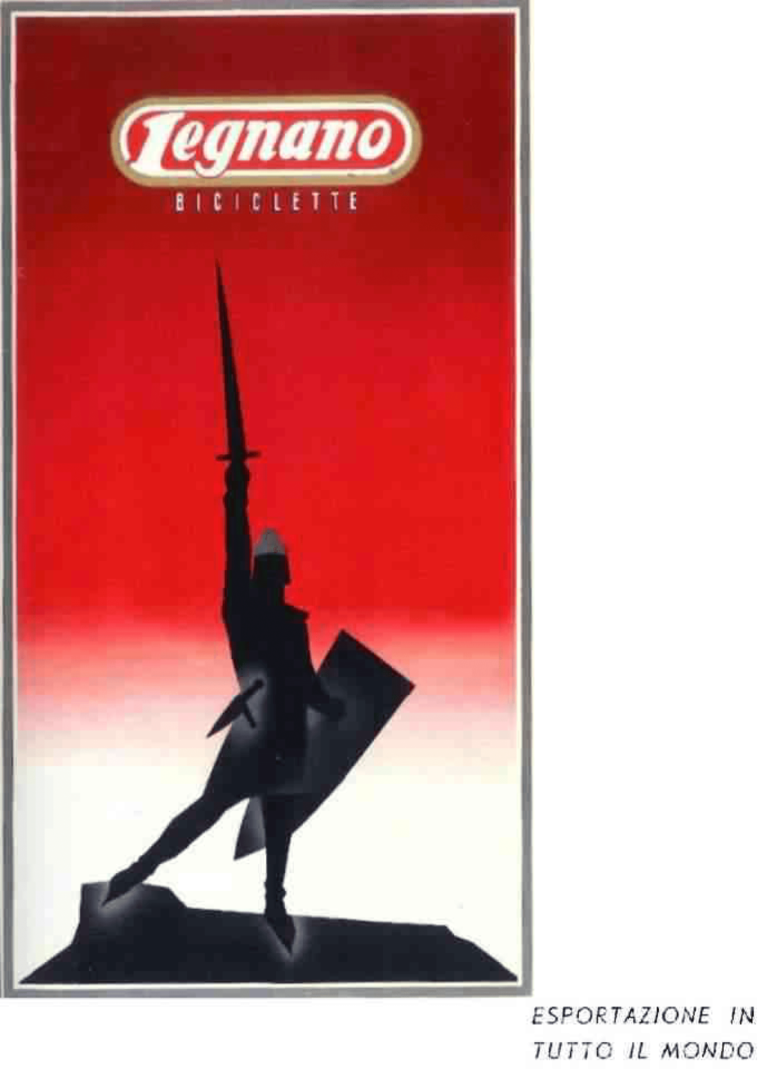
Emilio Bozzi S.p.A. and Legnano thrived separately and together during cycling’s golden 1950s decade, and rolled into the 1960s with real aplomb. The family-controlled conglomerate opened a new 22,000 m² manufacturing site with 10,000m² of warehouse space along the “Strada Statale 527” in 1963 that replaced the historic site of Via XX Settembre which by comparison occupied just 12,000 m² total.
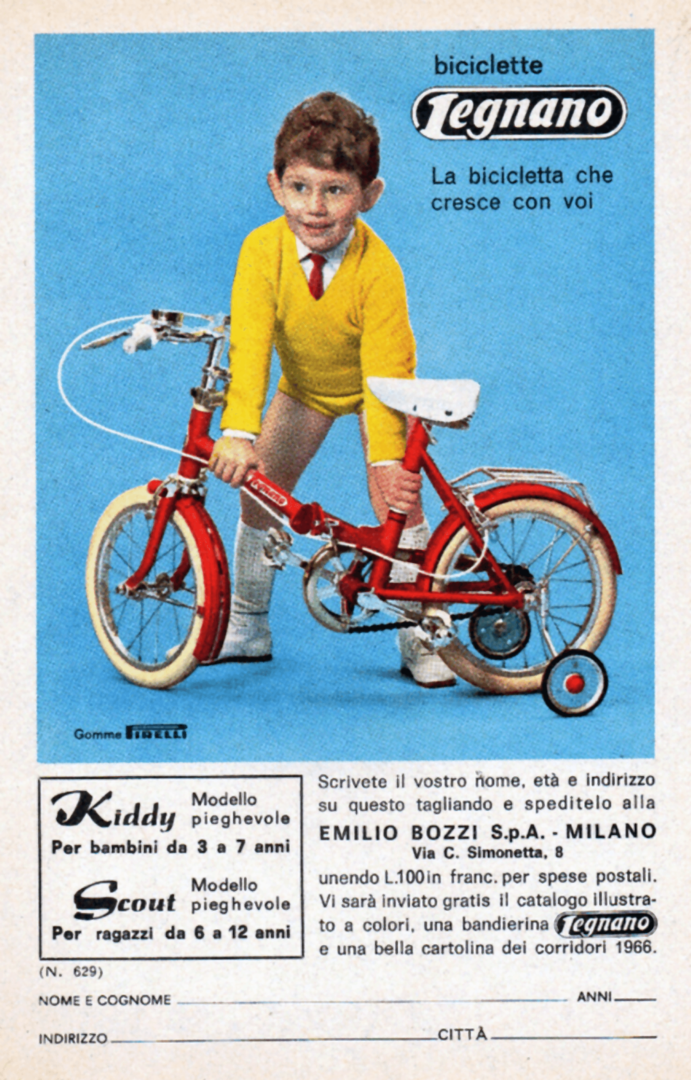
Annual production looks to have peaked around 150,000 bicycles across 80 models and 20,000 motorcycles during those years. Legnano’s products were sold worldwide across 62 different countries at the time. Product segmentation extended all the way from top professional racing bicycles to folding bicycles for children ages 3 to 7 years. And as any astute observer of the historical cycling industry can tell you, that can only mean one thing – the end must be near now. Very near.
In 1987 Bozzi’s heirs licensed the Legnano brand to long-time rival Bianchi in what must have been a rather humbling transaction, with the now semi-autonomous Legnano brand allowed to maintain its semi-unique identity as newly tasked with marketing and selling lower-range bicycles in what amounted to a transparent bid to ride out the brand’s former glory days. In other words, to wring every last lira possible out of the thing.
Eventually and predictably, both brands were acquired by the multinational Cycleurope group in 1997, itself but a small part of the massive Grimaldi Industri Group with its shipping origins. Cycleeurope subsequently decided to maintain the tradition of the Bianchi brand at the expense of the Legnano brand, which remained relegated to low-level economic production and thus aspirations.
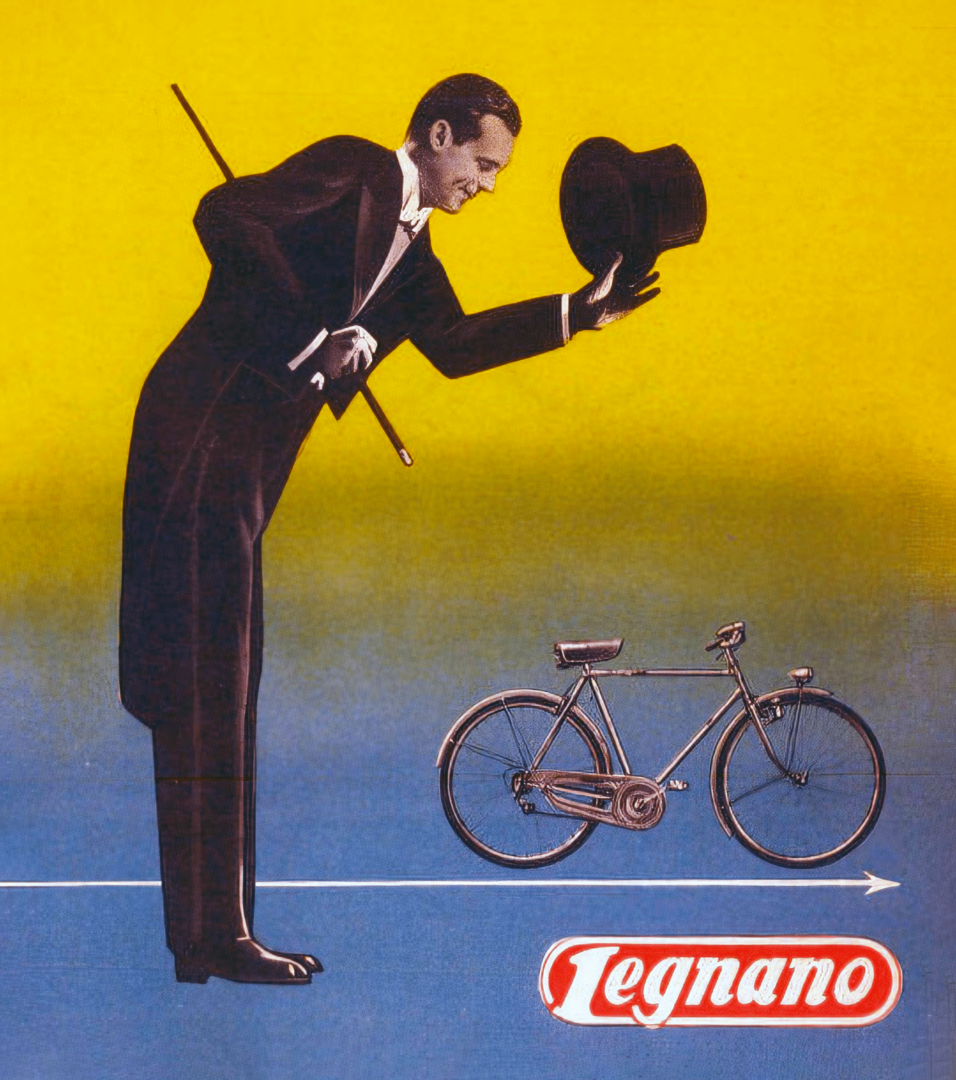
Following a lengthy legal challenge that culminated in 2008 (or 2010 by some accounts), an Italian court awarded the rights to the Legnano brand back to the heirs of Emilio Bozzi in what must have been an exuberant time for the family. The Legnano brand subsequently relaunched with a complete but manageable range of city, mountain and road bicycles.
In a hyper-compressed lifecycle compared to the brand’s initial 67-year turn of the wheel, the Bozzi family then licensed out the renewed Legnano brand to Cicli Esperia S.p.A. from the Cavarzere comune in 2012, which already owned the Torpado and Fondriest cycling brands. These new Legnano models were introduced in September 2013 at ExpoBici to relatively little fanfare with their ubiquitous, unexciting offerings.
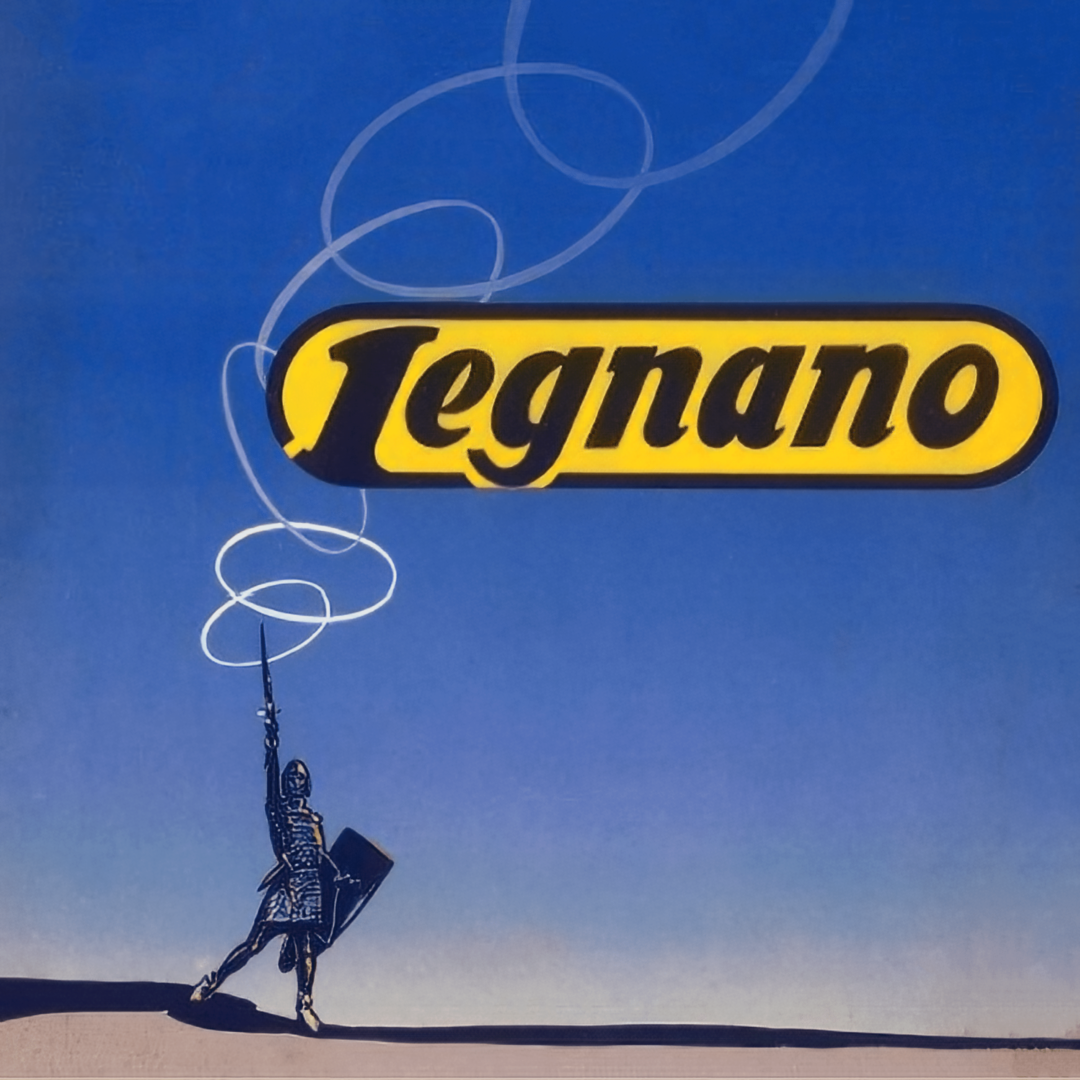
One hopes the Legnano brand will find its way back to the top of the sport soon. Its storied racing history and enduring association with quality show the way forward. May those in a position to bring about this change only want to do so. One thing is for certain when they are ready: Alberto da Giussano is here to protect us all, each and every step along the way.
Discuss the ‘Lizard Yellow’ legacy and the unique seat-bolt clusters of the Roma Olympiad. Join our community to share photos and verify original Legnano component specifications.
Legnano Cycles Image Gallery:
https://www.ebykr.com/legnano-cycles-image-gallery/
Legnano’s official web site:
https://www.legnanobici.com
Special thanks to Condorino:
https://condorino.com/
Legnano Ebykr article references and sources:
Cycling-Passion
https://cycling-passion.com/rebirth-legnano/
Condorino Legnano Timeline
https://condorino.com/legnano-timeline/
Condorino Legnano “Lizard Yellow” Color
https://condorino.com/2014/06/11/noah-rosen-achieves-the-impossible/
Wikipedia Battle of Legnano
https://en.wikipedia.org/wiki/Battle_of_Legnano
Join the conversation below, or bring longer discussions and photos to the Ebykr Forums.



[…] more information is available on Emilio Bozzi and his company for those interested in learning more about the man or his work. Here are some of […]
Greetings,
About 1962 I bought a Lignano Gran Primio road bike , #EP5697 in California. The kid that had it didn’t appreciate it, and I did! I now have it in Colorado, and the only changes I’ve made were to lace in sew up rims in 1970, and put on a less worn seat. I expect this bike was made in the mid or early fifties, and there aren’t many left. (there weren’t many then!) Tonight I met a young bike collector and he is interested in it. What is this worth? Or, is there any group of riders interested in these types of bikes that I could relate to? I also am involved with another type of bike; BMW R 69, R 75/5, R 75/6, 98cc NSU RennFox, and 250c NSU Max, but thats another story!
I also have an oil painting of myself by H. Tosi that was painted from a small photo and was given to me in the late 60’s. Any info on the artist would be greatly appreciated.
Hi,
I too have a painting by the artist H. Tosi that I have been trying to research. My painting is of a young man with brown hair and wearing a green shirt. It looks to have been painted in the 50’s. So any information you could share with me would be greatly appreciated.
I am looking for some info. on an Italian painter, I believe the name is H.Tosi on the painting.I have a portrait painted in the late 1960’s of myself my uncle had painted while stationed in Italy with the U.S. Navy.The label on the back reads as follows,Art gallery, Santa Lucia,Angelo Ponza via Santa Lucia 14,Naples(italy).Any information would be appreciated.